 +92 300 859 4219 , +92 300 859 1434
  Cash On Delivery is Available
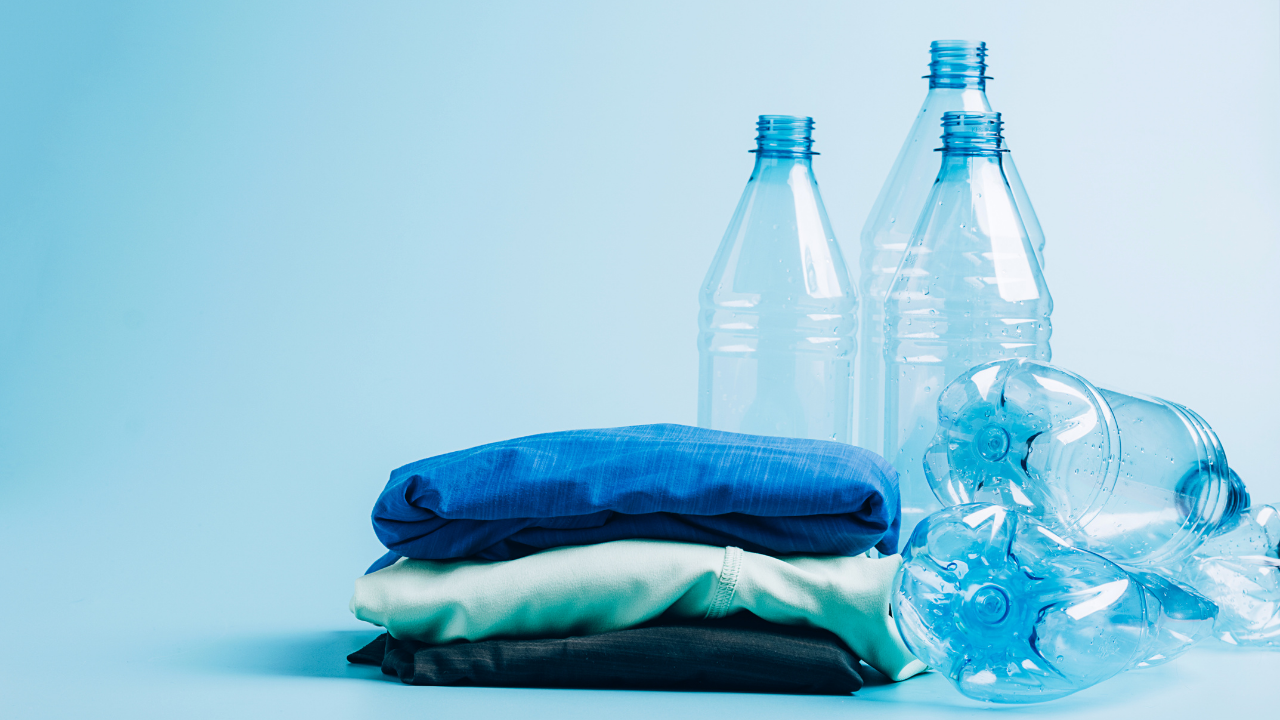
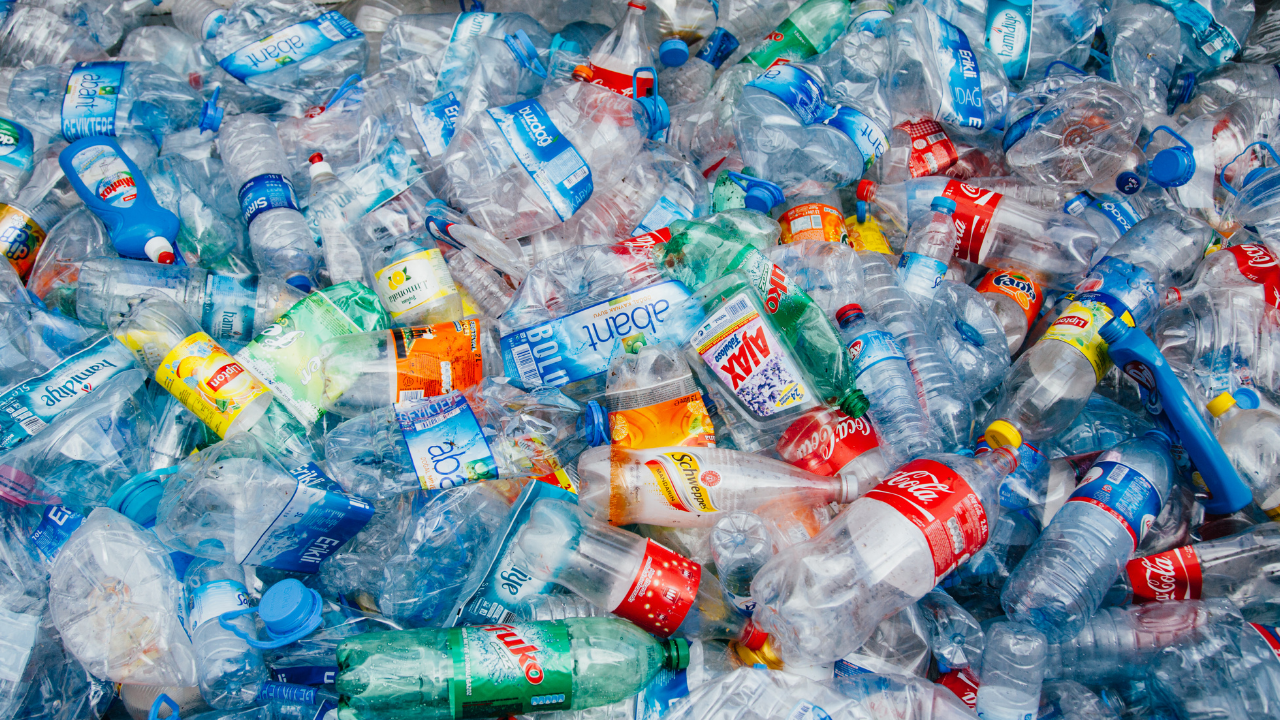
When you put on clothes or equipment made with material from Pittsburg-based Thread, you’re really sporting recycled plastic bottles. The social enterprise startup has discovered a approach to not solely assist the surroundings, but in addition present jobs to individuals in want.
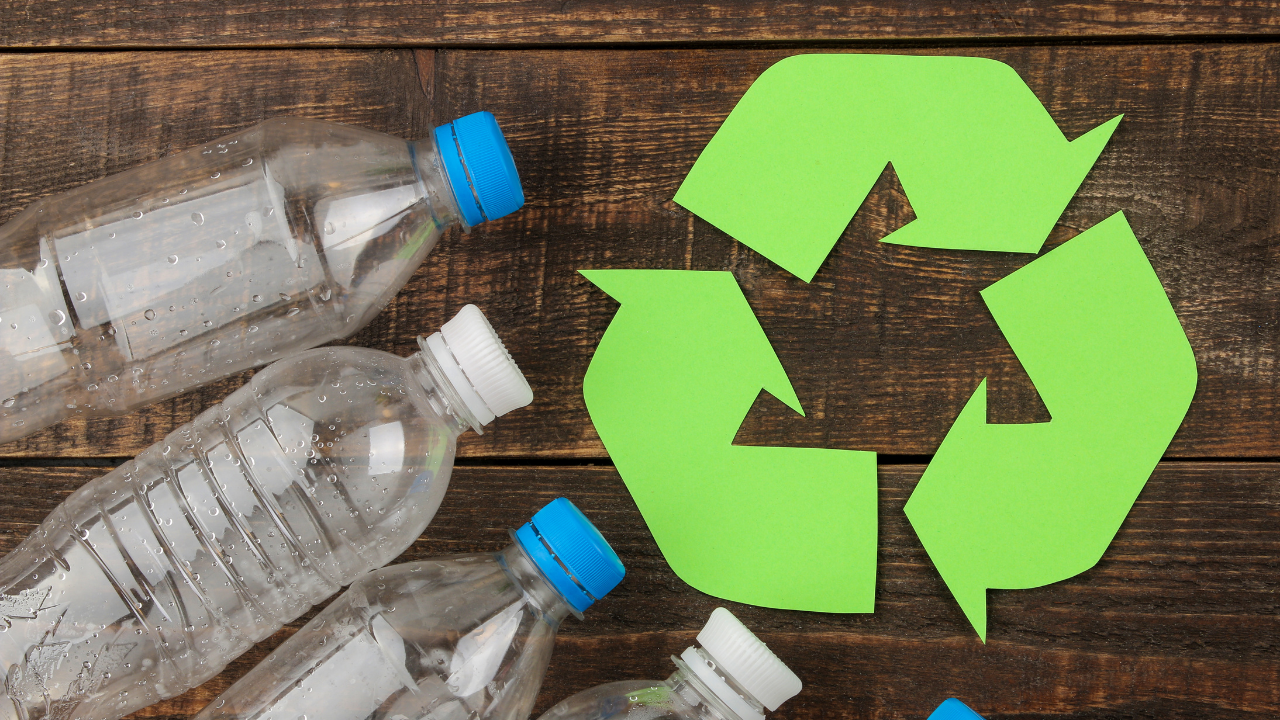
The concept first got here to founder Ian Rosenberger when he traveled to Haiti in 2010 to assist with earthquake reduction. Whereas there, he observed huge piles of plastic trash all through the nation.
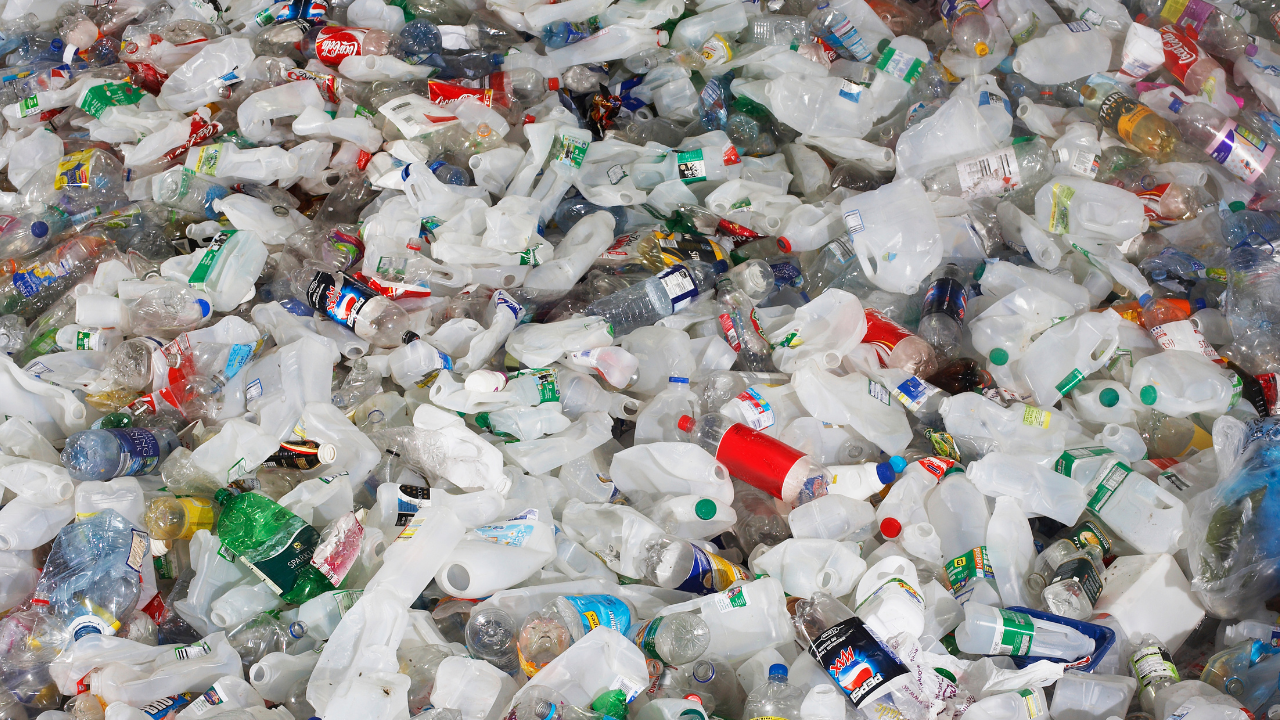
He did some analysis upon his return to the U.S., and located that plastic bottles may really be become material. He linked with some companions and acquired recommendation and funding from the Idea Foundry, a Pittsburgh-based non-profit innovation accelerator. And his firm, Thread, was born.
Now, the startup companions with Ramase Lajan, a community of plastic assortment facilities all through Haiti. When members carry of their plastic bottles to a group heart, they obtain money for his or her efforts. So this system not solely helps clear up the Haitian surroundings, it additionally gives a lot wanted work and cash to individuals who want it.
As soon as Thread receives the plastic materials, the corporate’s U.S. primarily based manufacturing services flip it into fiber after which weave it into material. Firms like Moop, one other Pittsburg-based enterprise, then buy the material and switch it into client items.
However with the present variety of corporations making inexperienced product claims, shoppers are getting somewhat skeptical. So how do you separate the precise inexperienced merchandise from people who simply declare to be, particularly when corporations aren’t at all times clear about their manufacturing course of?
Thread gives an alternate strategy that lays your complete course of open to shoppers who can comply with issues from uncooked materials stage to completed product with ease. The method is fairly simple. Bottles get become uncooked materials. Uncooked materials will get become material. Material will get become items. Folks know the place their materials comes from and the way it’s made.
Rosenberger told The Atlantic:
“We wished to supply an actual method for producers to be genuine of their claims about their materials. We’re a social firm first. Each yard of our material that somebody buys modifications individuals’s lives.”
The Eco Pleasant Course of
| Stage | Description |
|---|---|
| 1. Plastic Assortment | Thread companions with Ramase Lajan, a community of plastic assortment facilities in Haiti. Individuals are paid for bringing in plastic bottles, contributing to environmental cleanup and offering revenue to locals. |
| 2. Materials Conversion | Thread’s U.S.-based services remodel the collected plastic into uncooked materials for cloth manufacturing. |
| 3. Material Manufacturing | The uncooked materials is woven into material in Thread’s U.S. manufacturing services. |
| 4. Shopper Items | Firms like Moop buy Thread’s sustainable material to create varied client items. |
| Transparency | Thread maintains transparency all through the method, permitting shoppers to hint the journey of their merchandise from plastic bottles to completed items. |
Thread’s Sustainable Affect
- Environmental Accountability: Thread’s course of reduces plastic waste in Haiti by accumulating and repurposing plastic bottles, contributing to a cleaner surroundings.
- Job Creation: The partnership with Ramase Lajan and manufacturing services within the U.S. creates employment alternatives, supporting native communities.
- Clear Provide Chain: Thread’s dedication to transparency permits shoppers to trace your complete manufacturing course of, guaranteeing authenticity in eco-friendly claims.
- Supporting Native Companies: Firms like Moop profit from Thread’s sustainable material, selling moral and environmentally acutely aware manufacturing practices.
- Group Improvement: Thread’s social enterprise mannequin aids in neighborhood growth, providing monetary stability to people in want.
Picture: Thread
This text, “Thread Turns Recycled Plastic Bottles into Fabric” was first revealed on Small Business Trends